

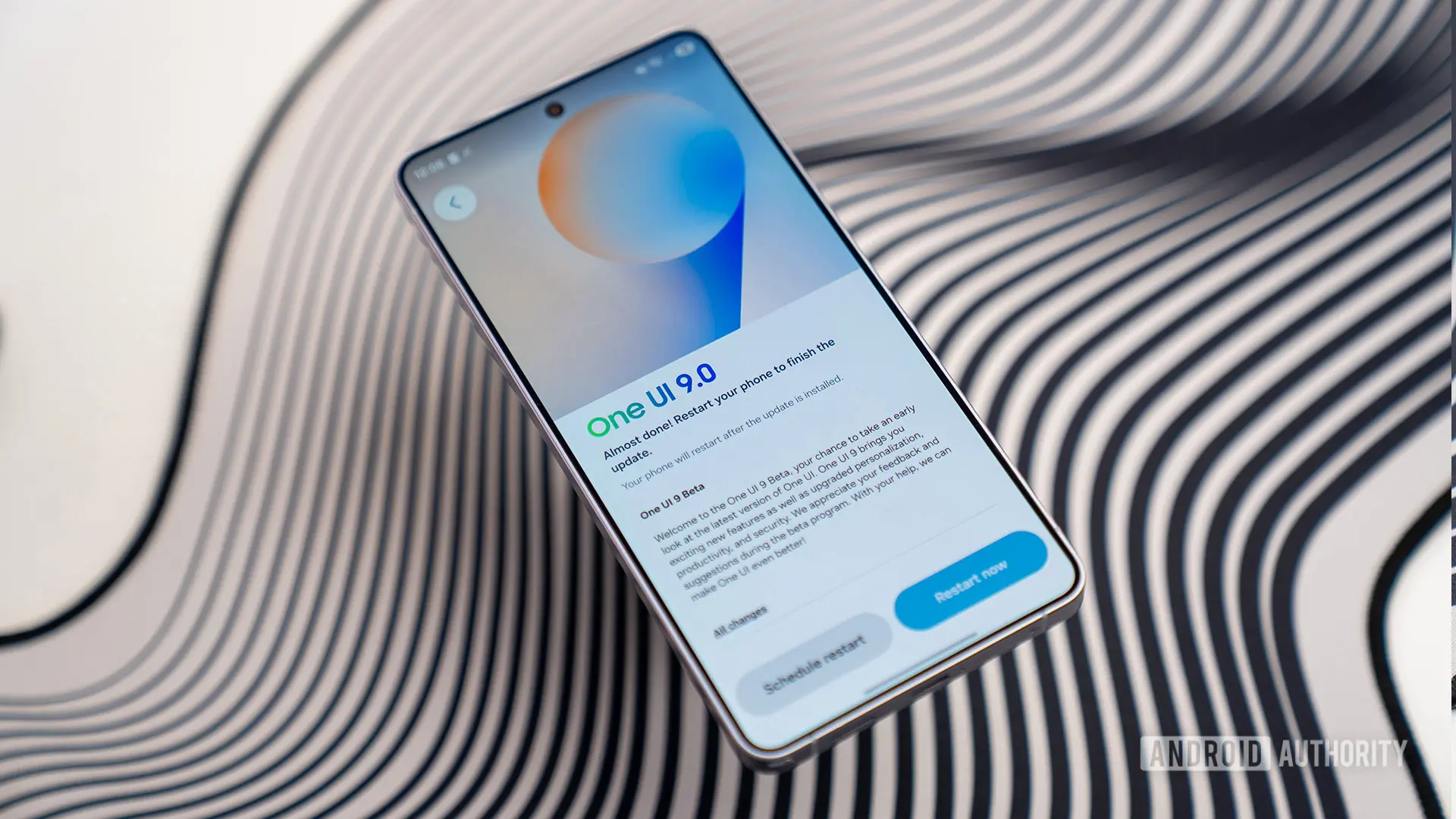
Samsung's One UI 9.5 update is still months away from a full release, but leaks are already painting a clear picture of what Galaxy device owners can expect. The latest information, pulled from an internal build of the software, points to two significant additions: a satellite connectivity hub and a new USB debugging mode. Together, they could substantially improve how Galaxy users handle outdoor emergencies and streamline the experience for developers plugging their phones into computers.
The satellite feature appears to be a direct implementation of Google's Satellite Connectivity Hub, which was first introduced with the Pixel 9 series. For Samsung users, this could mean the ability to send text messages and contact emergency services when no terrestrial mobile network or Wi-Fi is available. The leak also suggests there will be a demo mode and an alignment guide, helping users learn how to point their phone toward a satellite for a stable connection.
Additionally, a new “Debugging only” option was found in the USB settings menu. If shipped, it would sit alongside existing options like file transfer, USB tethering, and MIDI. This new mode aims to give developers a cleaner, more direct way to access Android Debug Bridge (ADB) and other development tools without cluttering the connection settings with multiple notifications or requiring frequent changes in the Developer Options menu.
What is One UI 9.5 and when will it arrive?
One UI is Samsung's custom skin built on top of Google's Android operating system. The company usually releases major updates annually, and the version numbering reflects both the underlying Android version and Samsung's own feature layer. One UI 9 has just started rolling out to recent Galaxy devices, bringing a refreshed design language, improved performance, and deeper system-level integration. Historically, Samsung follows up with a point release (like 9.1 or 9.5) that introduces additional refinements and, occasionally, new features that weren't ready for the initial launch.
Based on Samsung's release patterns, One UI 9.5 is expected to debut in the second half of 2026, likely alongside the next generation of foldable devices. The update will probably be based on the next Android release or a later build of Android 16, depending on Google's timeline. Leaks from internal builds typically emerge a few weeks or months before the official beta program begins, and this leak aligns with those expectations.
While Samsung has already delivered One UI 9 to flagships like the Galaxy S24 series and the Galaxy Z Fold 6, the 9.5 update is likely to be a more focused release. Rather than overhauling the entire interface, it may concentrate on connectivity features, enhanced privacy controls, and developer-oriented improvements. The satellite hub and the new USB mode fit neatly into that pattern.
Satellite connectivity: the next frontier for smartphones
Satellite connectivity has become one of the most talked-about features in the smartphone industry over the last few years. Apple introduced Emergency SOS via satellite on the iPhone 14 lineup in 2022, allowing users to send distress messages when outside cell towers' reach. Since then, Apple has expanded the feature to more countries and added roadside assistance support in the United States. Google followed suit with its Satellite SOS feature on the Pixel 9 series, which uses the same underlying Garmin Reference APIs to connect with satellites for emergency messaging.
Samsung has been noticeably quieter on this front, but the company has clearly been exploring the idea for some time. Early Galaxy S25 leaks hinted at satellite support, though the final hardware did not include the required modem or antenna design. Now, with the apparent adoption of Google's Satellite Connectivity Hub, Samsung appears ready to leapfrog the competition by not only offering emergency SOS but also general person-to-person messaging through satellites.
Google's Satellite Connectivity Hub is more than just a SOS button. It provides a unified interface for users to compose messages, choose a recipient, and send them via satellite when no terrestrial network is available. It also includes a guided alignment process to help users aim their phones at a satellite, which is crucial because satellite signals are weak and require precise antenna orientation. The demo mode in the leaked Samsung build indicates that the company wants users to practice this alignment before they find themselves in an actual emergency.
There are limitations, of course. Satellite messaging is generally slower than traditional SMS or internet-based messaging. It also consumes more battery power, and most phones are not designed to sustain a continuous satellite connection. That is why these features are usually limited to short text messages and emergency alerts. Voice calls over satellite are still a rarity in consumer smartphones, although some companies are beginning to test the technology with LEO (low Earth orbit) constellations. For now, SMS and emergency services are the practical focus.
How satellite SOS works
When a user activates satellite connectivity on a compatible device, the phone first attempts to find a network signal. If none is available, the interface prompts the user to move to an open area with a clear view of the sky. The phone then uses built-in sensors and augmented reality to guide the user's alignment with a satellite. Once a connection is established, the user can send a pre-defined or custom text message. The message is transmitted to the satellite, which relays it to a ground station, and from there it reaches a local emergency dispatch center or the intended recipient's phone.
In the case of Samsung's implementation, Google's Satellite Connectivity Hub would likely integrate with existing emergency services and messaging apps. This means Galaxy users might not need to download a separate app; the functionality would be embedded directly into One UI 9.5. The leak also suggests that the feature will allow users to share their location, a common requirement for search-and-rescue teams.
For countries where the feature is supported, this could be a lifesaver for hikers, campers, and anyone traveling through rural regions. Satellite connectivity does not require a SIM card or an active contract, making it an attractive option for travelers who frequently cross international borders.
Debugging only mode: a gift for developers
The second leaked feature is arguably less flashy but potentially just as important for the developer community. One UI 9.5 may include a “Debugging only” option in the USB settings. Currently, when a Galaxy phone with USB debugging enabled is connected to a computer, the system does not always show a clear notification that the debugging session is active. This lack of visibility can be risky, because a user might connect their phone to a public charging station or a computer they don't fully trust, inadvertently granting ADB access to a malicious actor.
The new “Debugging only” mode would simplify the process. Instead of having to go to Developer Options every time to toggle USB debugging on or off, users could do it directly from the USB settings dialog. This would also make it easier to avoid accidental ADB connections. For power users and app developers, this is a significant quality-of-life improvement.
Moreover, this change could enhance security by putting USB debugging controls front and center. Right now, if a phone is connected to a PC and USB debugging is enabled, the phone may not display a persistent notification. The user might assume the connection is purely for charging. With a dedicated debugging mode, the system could show a clear status indicator, making it obvious that the phone is in developer mode and that ADB commands can be executed.
It remains to be seen whether Samsung will implement additional safeguards, such as requiring authentication before switching to the new mode. But the company's focus on user security in recent updates suggests that the feature will include some form of user confirmation.
What this means for Galaxy users
For the average Galaxy owner, the satellite connectivity hub is the most exciting addition. It closes a critical gap in smartphone coverage and gives users a reliable communication channel in areas where traditional networks do not exist. While many people will never need to use it, the mere presence of the feature provides peace of mind. Hikers, climbers, sailors, and people living in disaster-prone regions stand to benefit the most.
The debugging mode, on the other hand, is aimed squarely at the developer audience. Samsung has been actively courting app developers and power users with its DeX desktop environment and advanced multitasking features. Adding a more transparent and efficient USB debugging option is a natural extension of that strategy. It also helps Samsung compete with Google's Pixel devices, which are often favored by developers because of their stock Android experience and robust developer tools.
There are also broader implications for the Android ecosystem. If Samsung adopts Google's Satellite Connectivity Hub, it could become a standard feature in other Android manufacturers' devices. Google has been working to integrate satellite capabilities into the core Android framework, and having Samsung on board would accelerate that effort. This could lead to a future where satellite messaging is as common on Android as NFC payments are today.
Challenges and considerations
Despite the excitement, several challenges remain. Satellite connectivity requires specific hardware, including a modem that can communicate with satellites, an RF front-end tuned for satellite frequencies, and an antenna design that can handle the signal characteristics. Samsung's internal builds are often ahead of the production schedule, but it is possible that some hardware limitations could delay the feature's release.
Carrier partnerships are another hurdle. In many countries, emergency services have strict regulations about how users can access them. Satellite SOS often requires collaboration with local emergency response centers and government agencies. Google and Apple have spent considerable time and resources negotiating these agreements, and Samsung will need to do the same if it wants to offer the feature globally.
Additionally, users will need to be educated. Satellite connectivity is not like cellular connectivity. You can't just walk into a basement and expect to get a satellite signal. The demo mode in One UI 9.5 is a positive step, but it remains to be seen how effective it will be in helping users understand the limitations and requirements.
Cost is also a factor. Some satellite messaging services charge a subscription fee, although emergency SOS is typically free. If Samsung integrates the hub deeply into One UI, the company may choose to offer the service free for a limited time or bundle it with other Galaxy services. That would be a welcome move, but it could raise questions about long-term pricing.
On the debugging front, there is always a risk that new security features could interfere with existing workflows. Developers often rely on ADB over Wi-Fi or other tools, and a new USB mode might complicate things if not implemented carefully. However, Samsung's track record with developer options suggests that the company will keep those options accessible to those who know how to unlock them.
The road ahead
These features were spotted in an internal build, which means they may never reach the public. Samsung frequently tests experimental ideas that are ultimately discarded due to technical problems, cost concerns, or lack of demand. Yet the company tends to implement features that appear in multiple leaked builds over a long period, and satellite connectivity has been rumored for Galaxy devices for more than two years.
The timing also aligns with industry trends. Satellite connectivity is moving from a luxury feature to a standard part of the mobile experience. In 2026, several Android flagship phones are expected to support satellite messaging. Samsung cannot afford to stay on the sidelines. The One UI 9.5 update could be the vehicle for that inclusion, especially if Samsung plans to launch the next Galaxy Z Fold and Z Flip around the same time.
If the satellite connectivity hub makes it into the stable release, Samsung will join Apple and Google in offering native satellite SOS. That would be a significant milestone for the Galaxy ecosystem. Similarly, the “Debugging only” USB mode would show that Samsung is paying attention to the developer community's needs, even as it pushes forward with consumer-facing features.
For now, Galaxy users can only wait and watch. The beta program for One UI 9.5 will likely open in the coming months, and that will provide a much clearer picture of what changes make the final cut. Until then, the leaks from internal builds serve as exciting glimpses into the future of Samsung's software.
Source:Android Authority News