

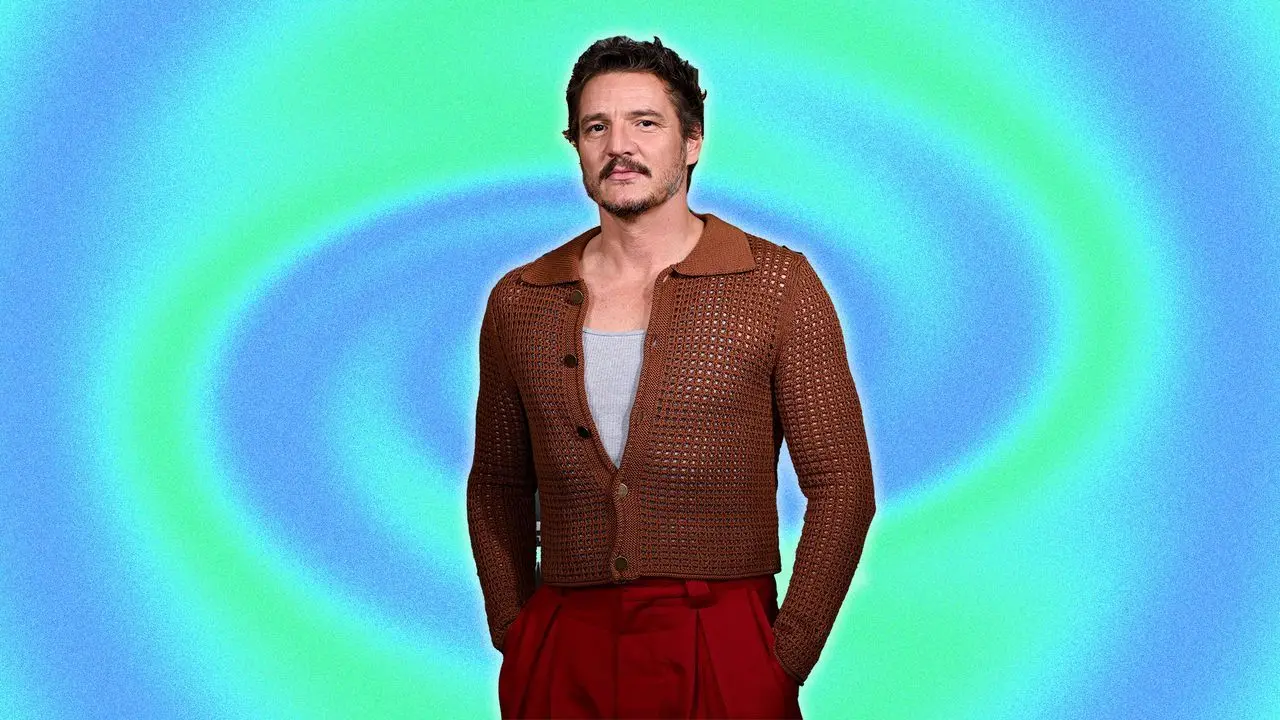
When Pedro Pascal stepped into the rugged boots of Joel Miller in HBO's adaptation of The Last of Us, fans immediately noticed a transformation. At 48 years old, the actor had to embody a hardened survivor in a post-apocalyptic world, a role that demanded not just emotional depth but also physical credibility. Unlike the stunt-heavy action of The Mandalorian, where Pascal's face is often hidden behind a helmet, The Last of Us placed him front and center for long, physically demanding sequences. To achieve this, Pascal turned to renowned fitness coach David Higgins, who first collaborated with the actor on Kingsman: The Golden Circle.
The result? A workout routine that is surprisingly attainable, focusing on bodyweight exercises, mobility, and core strength rather than heavy lifting or flashy muscle-building. This approach not only suits Pascal's age but also aligns perfectly with the character of Joel: a man in his fifties who must be practical, efficient, and resilient.
The Philosophy Behind the Training
David Higgins, a specialist in physical rehabilitation and functional movement, explains that Pascal's training for The Last of Us was never about aesthetics. “There are no shirtless scenes in the show,” Higgins notes. “It was about finding the physique inside the character. We focused on mobility and movement rather than appearance.” This meant building a body that could perform realistically during long shoot days in remote Canadian locations, often without access to a full gym.
The key was to make Pascal's movements look effortless yet powerful. Joel is a man who has survived decades in a brutal world; he must be strong, agile, and efficient. Higgins designed a routine that mirrored this need: exercises that improve functional strength, reduce injury risk, and support the character's hard-worn demeanor. It was a mental transformation as much as a physical one.
Overcoming Age-Related Challenges
Pascal, now 48, faced the same issues many people encounter as they age: lower back tightness, reduced mobility, and a greater need for recovery. Higgins, with his background in corrective exercise, took a “repair then build” approach. “We concentrated on the lower back and overall form, all while incorporating mobility exercises,” he says. This is a crucial lesson for anyone over 40 who wants to start or maintain a fitness routine. Instead of pushing through pain, the focus should be on preparing the body first.
The unpredictable conditions of filming in Canada also meant that the routine had to be adaptable. Higgins and Pascal often had to train in makeshift spaces or outdoors. This limitation turned into an advantage: bodyweight exercises could be done anywhere, reinforcing the idea that fitness does not require expensive equipment. Pascal's discipline and athletic potential, as Higgins describes, made the process smoother, but even he had moments of complaint. “Sometimes I’d hear him say, ‘Oh no, do I have to do more?’” recalls Higgins. “I’d just tell him, ‘Come on, you can do it.’”
The Workout: A Practical Routine for Everyone
The following routine, created by David Higgins, is the same one that helped Pedro Pascal get ready for the demanding role of Joel. It requires no equipment and can be performed at home or on a hotel floor. The goal is to build endurance, core stability, and joint mobility. Perform five rounds of the exercises below, working for 1 minute on each exercise, with a 30-second rest between exercises and between rounds. Aim to do this routine 1-2 times per week, in addition to your regular training and stretching.
Mountain Climbers
Start in a plank position, then drive your knees toward your chest one at a time, keeping your back, hips, and shoulders stable. Try to move quickly while maintaining control. This exercise boosts cardiovascular endurance and core strength.
Single Split Squats (1 minute per leg)
Stand with your back to a bench, chair, or elevated platform. Place one foot behind you on the bench so that the lace area of your sneaker touches the surface. Your front leg will bear the weight. Bend your front knee to lower into a lunge, keeping your rear leg stationary. Push back up to standing. To increase difficulty, hold dumbbells or a kettlebell. This builds unilateral leg strength and balance.
Swimmers
Lie face down with arms and legs extended, mimicking a Superman pose. Slightly arch your back and simultaneously lift your right arm and left leg, then switch to left arm and right leg. Continue alternating for 60 seconds. If your lower back begins to ache, pause and stretch before continuing. This exercise targets the posterior chain and improves spinal mobility.
Push-Ups
Begin in a plank position on hands and feet (or knees for an easier version). Keep your core tight and back straight. Bend your elbows at a 45-degree angle to your body, lowering your chest and nose toward the floor. Hold briefly, then exhale and push back up. Push-ups are a classic compound movement that strengthens the chest, shoulders, triceps, and core.
Low Plank
After the push-ups, a low plank is a challenging finisher. From push-up position, lower onto your forearms, keeping your body in a straight line. Squeeze your glutes and abs, and hold for 60 seconds. This isometric exercise builds deep core stability and endurance.
Higgins emphasizes that consistency and proper form are more important than intensity. “Pedro is athletic and has so much potential that he often doesn't realize how capable he is,” he says. “Eventually, the basic bodyweight movements like mountain climbers, lunges, glute bridges, and planks started to feel natural.”
Why This Routine Works for Any Age
The beauty of Higgins' approach is that it strips away the unnecessary complexity often associated with fitness. By concentrating on foundational movement patterns – pushing, pulling, squatting, and stabilizing – the routine builds a resilient body that can handle everyday tasks as well as demanding roles. For someone approaching 50, like Pascal, this is especially relevant. The emphasis on mobility helps counteract the stiffness that comes from prolonged sitting, while the bodyweight work ensures you can stay active regardless of location.
Moreover, the mental component cannot be ignored. Pascal's transformation was as much about adopting the mindset of a survivor as it was about physical preparation. The routine required him to push through discomfort and maintain consistency, mirroring the discipline needed to play a character who has endured immense loss and hardship. This psychological aspect is something that can benefit anyone looking to improve their health: understanding that the journey is as important as the destination.
Pedro Pascal's rise to fame has been meteoric since his breakout role as Oberyn Martell in Game of Thrones. He followed that with critically acclaimed performances in Narcos, The Mandalorian, and now The Last of Us. Each role has required a different physicality, but his work with Higgins shows that real transformation is built on consistent, intelligent training. It is a reminder that age does not have to be a barrier to achieving peak fitness – if you prioritize function over form and listen to your body.
For fans looking to replicate part of Pascal's success, the takeaway is clear: you do not need a fancy gym or a personal trainer to get in shape. Start with these simple exercises, focus on mobility, and be patient. The results, like Pedro Pascal's own journey, will speak for themselves.
Source:GQ France News