

A Web of Surprises at Galaxy Unpacked
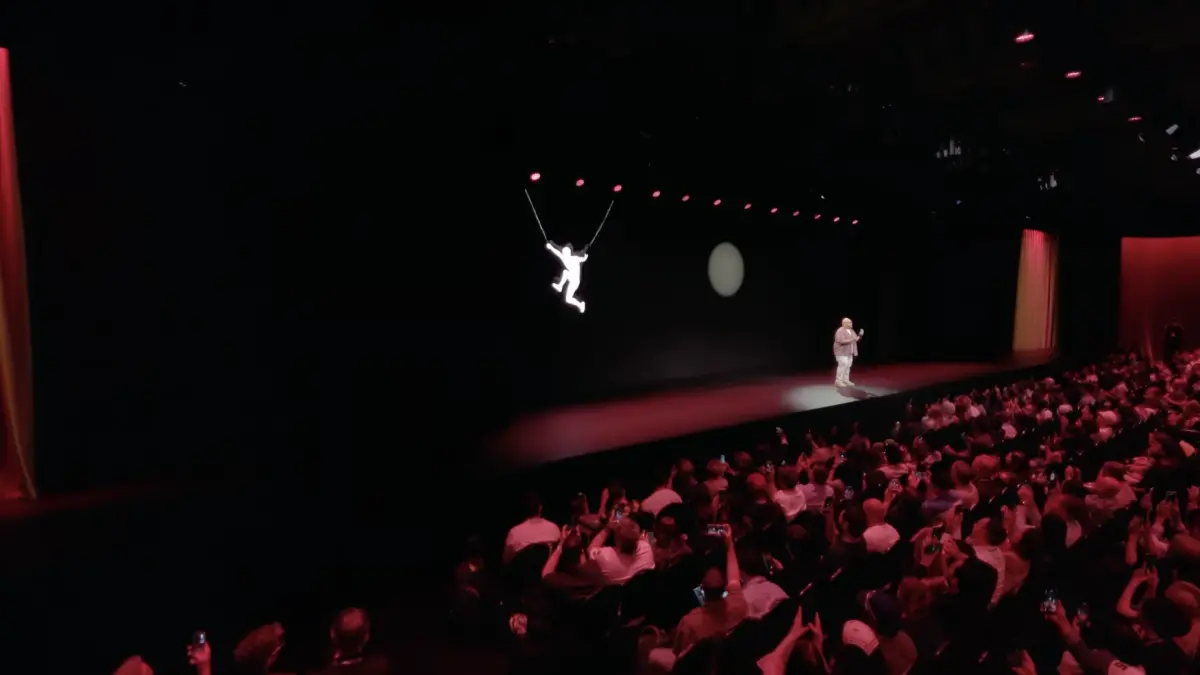
The Samsung Galaxy Unpacked event on July 22, 2026, in London was already highly anticipated for its expected lineup of cutting-edge devices. But no one foresaw the moment when Tom Holland, dressed in the iconic Spider-Man suit, swung across the stage on a wire. The actor, currently promoting the latest Marvel film, made a dramatic entrance that sent social media into a frenzy. "I figured if I'm going to show up at a tech event, I might as well do it in style," Holland joked after landing. The surprise came just as Samsung unveiled the Galaxy Z Fold 8, reinforcing the company's strategy of blending pop culture with product launches.
The Galaxy Z Fold 8: A Foldable Marvel
The centerpiece of the event was the Galaxy Z Fold 8, Samsung's latest foldable phone. Building on the legacy of its predecessors, the Fold 8 features an even thinner profile, a more durable hinge rated for over 500,000 folds, and a 7.8-inch Dynamic AMOLED 2X inner display with a 120Hz refresh rate. The outer screen has been enlarged to 6.5 inches, making it more usable when closed. Under the hood, the device is powered by the Exynos 2600 chipset (or Snapdragon 9 Gen 3 in select markets) paired with 16GB of RAM and up to 1TB of storage. The camera system includes a 200MP main sensor, a 12MP ultrawide, and a 10MP telephoto with 3x optical zoom. Samsung also improved the under-display camera on the inner screen, addressing complaints from previous generations. Battery life gets a boost with a 4,500mAh cell supporting 65W wired and 25W wireless charging.
Galaxy Watch 9: Health and Fitness Redefined
Alongside the Fold 8, Samsung introduced the Galaxy Watch 9 series, available in 40mm and 44mm sizes. The watch features a new BioActive Sensor 3.0 that can measure blood pressure, ECG, body composition, and even sleep apnea risk. Samsung partnered with the National Sleep Foundation to improve sleep tracking algorithms. The watch runs Wear OS 5.0 with One UI Watch 6, offering seamless integration with the Galaxy ecosystem. A standout feature is the new Stress Management Assistant, which uses heart rate variability and skin temperature to suggest breathing exercises or mindfulness sessions. The Galaxy Watch 9 Pro variant adds a titanium case, sapphire crystal display, and a dual-frequency GPS for more accurate outdoor tracking.
Galaxy Glasses: A Glimpse into the Future
Perhaps the most talked-about announcement was the Samsung Galaxy Glasses, the company's first consumer augmented reality (AR) smart glasses. The glasses weigh only 45 grams and look like a stylish pair of sunglasses. They project a 90-inch virtual display that appears to float in front of the user's eyes, controlled via touch gestures on the temple or voice commands through Bixby. The glasses are powered by a custom Samsung AR1 chip and feature dual 12MP cameras for spatial mapping and hand tracking. They connect wirelessly to any Galaxy smartphone or tablet, allowing users to browse the web, watch videos, play AR games, and even take calls. Samsung emphasized utility, showing demos of hands-free navigation, real-time translation of foreign signs, and virtual try-ons for shopping. The Galaxy Glasses will launch in the fall at a starting price of $399, undercutting many competitors in the nascent AR market.
During the presentation, Samsung executives highlighted the glasses' potential for productivity. For instance, a user could have multiple virtual monitors floating around them while working from a coffee shop. The company also teased upcoming software updates that would enable spatial computing features similar to Apple's Vision Pro, but at a fraction of the weight and cost.
Ecosystem Synergy and Software Updates
Samsung took considerable time to demonstrate how the new devices work together. The Galaxy Z Fold 8 can seamlessly mirror its screen to the Galaxy Glasses, creating a portable, private theater for movies or spreadsheets. The Galaxy Watch 9 can serve as a remote controller for the glasses, switching between apps or adjusting volume. Samsung also unveiled One UI 7.0, which introduces a unified notification system across all Galaxy devices, better continuity for phone calls, and a new SmartThings app that can manage all smart home gadgets from the glasses. The update will roll out to eligible Galaxy phones starting in August.
Competitive Landscape and Pricing
With the Fold 8, Samsung continues to dominate the foldable phone market, which now accounts for over 15% of the premium smartphone segment. Rivals like Google, OnePlus, and Honor have launched their own foldables, but none have matched Samsung's refinement or software support. The Galaxy Z Fold 8 starts at $1,899 for the base model with 256GB, while the Fold 8 Ultra (with a built-in S Pen slot and a more powerful camera setup) starts at $2,199. The Galaxy Watch 9 starts at $349, and the Watch 9 Pro at $499. Pre-orders begin immediately, with shipments starting August 5.
Analysts have noted that Samsung's strategy of adding a surprise celebrity appearance, coupled with highly functional products, is aimed at recapturing the excitement of early smartphone days. "The Unpacked event has always been about more than just specs; it's about creating a cultural moment," said one industry expert. "Spider-Man swinging in was a brilliant way to generate buzz, especially among younger audiences who may be considering switching to Samsung."
A Surprise Spoiler from j-hope
Earlier in the week, BTS member j-hope, who is the face of Samsung's Galaxy campaign in South Korea, accidentally spoiled the design of the Galaxy Z Fold 8 during a livestream. While showing off his new phone, he briefly tilted the device, revealing a triple-camera layout that matched leaked renders. Fans quickly screenshotted the moment, and the images went viral. During Unpacked, Samsung played a clip of j-hope apologizing with his signature grin, then announced an expanded partnership with the band for exclusive wallpapers and ringtones. "Even our ambassadors can't keep secrets," joked the presenter on stage.
The episode highlighted the increasingly blurry line between official marketing and fan-driven content. Social media reactions were overwhelmingly positive, with many praising j-hope's authenticity. It also drove millions of views to Samsung's YouTube channel in the days leading up to the event.
The Smart Glasses Market Heats Up
Samsung's entry into smart glasses comes at a time when AR is gaining mainstream traction. Apple's Vision Pro, while a technological tour de force, remains a niche product due to its $3,499 price point and bulky design. Meta's Ray-Ban Stories have focused on media capture rather than full AR. Google's planned Glass Enterprise 3 is still in development. Samsung's Galaxy Glasses, with their stylish form factor and competitive pricing, could become the first widely adopted AR glasses. The company also announced a developer kit that will be available in October, hoping to foster a thriving app ecosystem.
Analysts predict that Samsung will sell 5 million units in the first year, assuming supply chain constraints can be managed. The glasses use a new MicroOLED panel from Samsung Display, which is also being supplied to other OEMs, suggesting a broader push into wearables.
From a historical perspective, Samsung has been experimenting with AR since the Galaxy Gear VR days. The Galaxy Glasses represent the culmination of years of R&D in optics, miniaturization, and artificial intelligence. The company filed over 300 patents related to the glasses' waveguide technology and gesture recognition algorithms.
During the hands-on demo area after the keynote, attendees queued for hours to try the glasses. Early impressions praised the crisp image quality and natural field of view. Critics noted that the battery life is limited to 4 hours of continuous use, though Samsung said this will improve with future updates. The glasses come with a wireless charging case that can recharge them three times, making them practical for all-day wear.
Environmental sustainability was also a theme at Unpacked. The Galaxy Z Fold 8 and Watch 9 both use recycled materials, including ocean-bound plastics and repurposed fishing nets. Samsung committed to achieving net-zero emissions by 2050 and highlighted that the Galaxy Glasses' packaging is made entirely from recycled paper.
As the event wound down, Tom Holland returned to the stage for a final photo op, holding up the Galaxy Z Fold 8 while taking a selfie with the audience. The image quickly became the most shared from Unpacked across all platforms. Samsung clearly understands that in today's attention economy, spectacle and substance must go hand in hand. The company delivered both in spades.
Source:Mashable News