

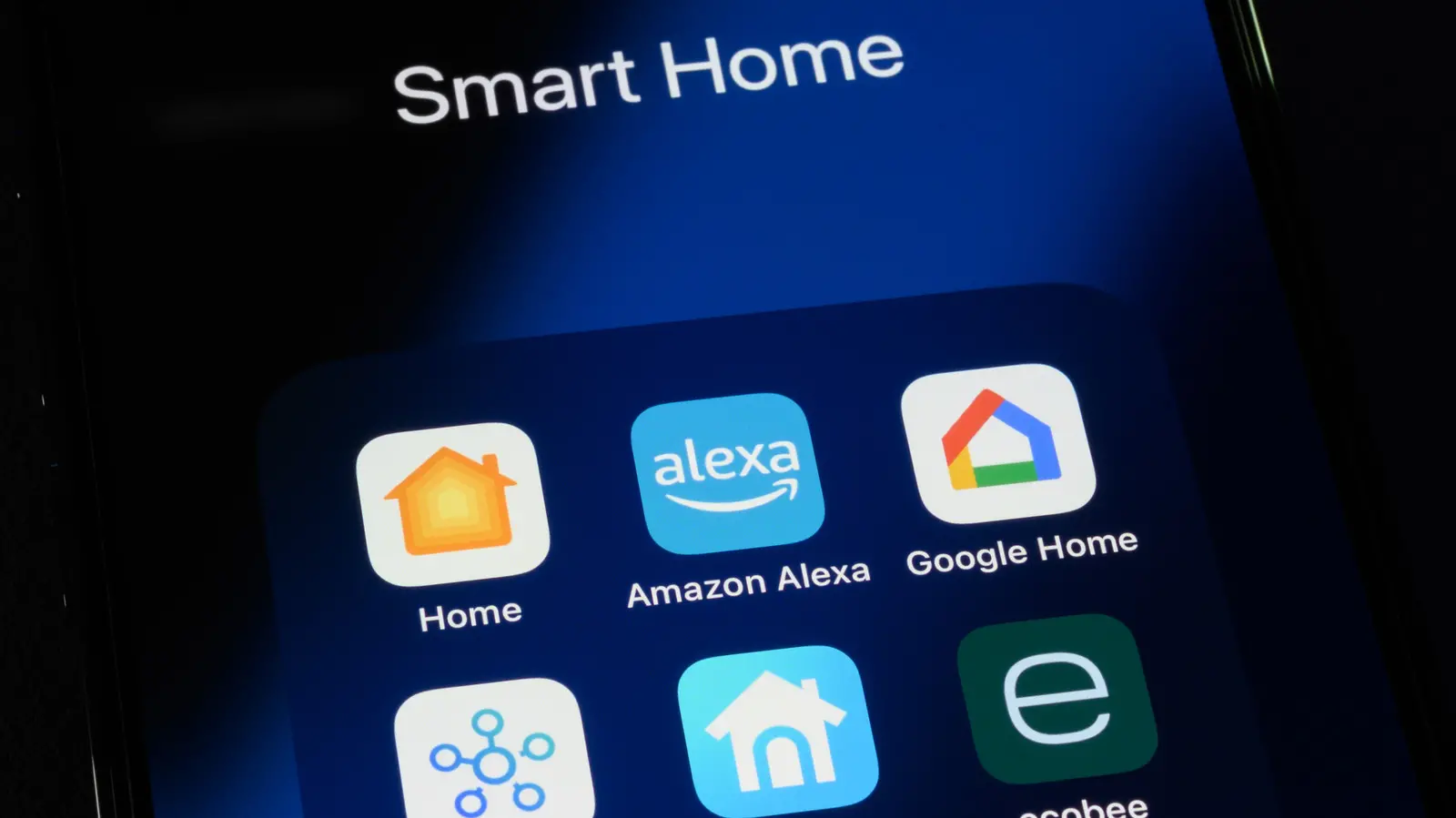
Google Home is often one of the first platforms people consider when building a smart home ecosystem. Because Google has built a reputation for polished software and dependable services, it is easy to assume that Google Home will offer the same level of quality. The app promises to put every connected light, thermostat, doorbell, speaker, and sensor in one convenient place. In theory, that makes daily life more efficient. But smart home automation is not a one-size-fits-all purchase, and user feedback over the past several years suggests that Google Home has meaningful weaknesses. Before investing in the platform, it is worth examining the four most important downsides documented by owners and former users.
1. Reliability remains a recurring frustration
Complaints from current and former Google Home users paint a clear picture: the platform often performs inconsistently. In online communities such as the Google Home subreddit, people regularly describe commands that used to work without issue suddenly failing. Some mention simple tasks, like playing a radio station, becoming impossible through the app. Others report that smart devices once connected to Google Home eventually stop responding, even though the same devices work fine with their own mobile apps. Perhaps most confusing is the frequency with which devices appear as offline in Google Home despite being connected to the internet and receiving power. This leaves users wondering whether the issue lies with the device, the network, or Google's cloud service.
The problem is not confined to the mobile app. Voice control has also become a source of frustration. In the era of Google Assistant, a significant number of users said that issuing a voice command was such a battle that they eventually gave up and did the task manually. Lately, Google has been shifting Google Home's voice assistant responsibilities to Gemini, the company's AI chatbot. Early reports from users suggest the transition has not solved the reliability issue. In one widely shared example, Gemini told a user it could not set an alarm, even though setting alarms is one of the most basic functions expected from a smart home platform. No matter how intuitive the interface looks, a platform that cannot complete routine actions with consistent dependability will undermine the convenience a smart home is meant to provide.
2. Google Home may become increasingly expensive
Google's emphasis on artificial intelligence has created new revenue opportunities across its product lineup, and Google Home is no exception. The introduction of advanced Gemini-powered tools has given Google Home Premium more prominence. A growing number of features, some of which users believe should be included in the base product, are being placed behind a subscription paywall. Google Home Premium promises more powerful automation, custom routines and access to enhanced AI capabilities. But people who have reviewed the paid tier often conclude that the features on offer are too basic to justify recurring fees.
This shift raises concerns about the long-term cost of using Google Home. Some smart home platforms operate on a one-time payment model, allowing users to own their central hub and access core functions indefinitely. Google has moved in the opposite direction, treating the smart home experience as a service that requires continuous payment. For users already paying for several streaming subscriptions, cloud storage services, and software bundles, adding a monthly or annual fee for Google Home can feel especially unwelcome. And the value of the subscription is not guaranteed. If troubleshooting reports are accurate, paying for Google Home Premium does not always eliminate the glitches and unexpected behavior found in the free version. In other words, users might find themselves paying more for a product whose reliability still does not meet expectations.
3. Privacy-conscious users may not like Google Home's data collection
Smart home devices collect enormous amounts of information, and how that information is stored matters. Google Home's default setup saves activity data to the My Activity section of each user's Google account. This includes voice recordings captured whenever the user interacts with the device. Google says this information is collected to improve products and personalize responses, and the company does
Source:SlashGear News