

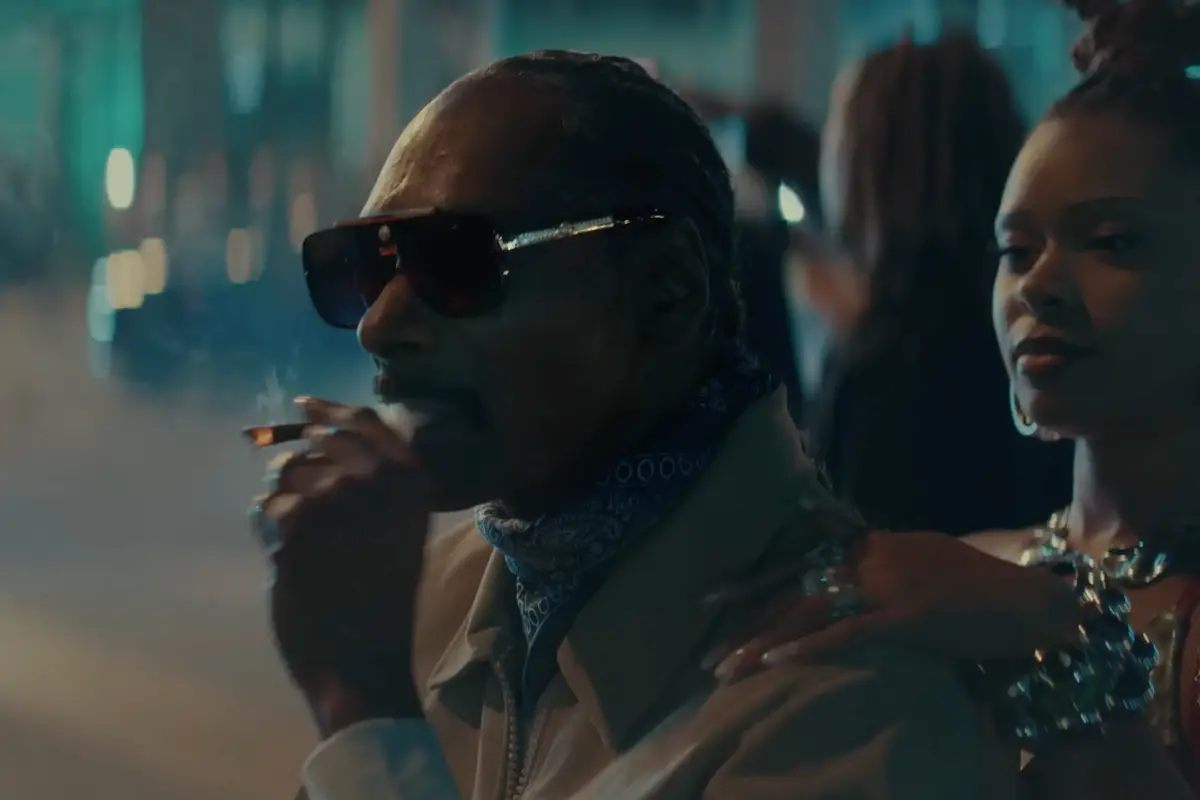
Thirty-one years after the release of his groundbreaking debut album "Doggystyle" in 1993, Snoop Dogg has reunited with producer Dr. Dre for a new full-length project titled "Missionary." The album marks a long-awaited return to their collaborative roots, yet early reviews suggest that the magic of their early partnership has not fully rekindled. As the original French review wryly notes, "il n'y a pas de quoi se relever la 'night'" — loosely translated, there's nothing worth losing sleep over.
A Brief History of Snoop Dogg's Musical Chameleonism
Born Calvin Cordozar Broadus Jr., Snoop Dogg emerged from the Long Beach, California gang scene as a protégé of Dr. Dre. His debut album "Doggystyle" nearly defined the G-funk era, with hits like "Gin and Juice" and "What's My Name?" that turned the former Crip into a mainstream icon. But Snoop never stayed in one lane for long. Over the decades, he has reinvented himself as a reggae singer (Snoop Lion), a gospel artist ("Bible of Love"), a funk revivalist (Snoopzilla with Dâm-Funk), and even a children's entertainer. His vocal style, often described as elegantly cartoonish, has allowed him to collaborate with everyone from Stevie Wonder to Martha Stewart.
This willingness to shape-shift has kept his career vibrant but sometimes diluted his artistic identity. Critics have often noted that while Snoop's charisma is undeniable, his musical choices can feel like genre tourism rather than genuine exploration. The new album "Missionary" attempts to return to the hardcore hip-hop sound that made him famous, but the execution leaves something to be desired.
The Long-Awaited Reunion with Dr. Dre
Dr. Dre, the legendary producer and architect of West Coast hip-hop, has a storied history with Snoop. Their partnership produced some of the most iconic rap albums of the 1990s, but Dre's recent output has been sparse. "Missionary" was teased for years as a sequel of sorts to "Doggystyle," but the end result feels more like a reunion tour than a groundbreaking new statement. The album's title itself hints at a return to fundamentals, but the tracks lack the raw energy and innovative production that once defined their work together.
Rumors of the album's existence circulated as early as 2015, with Dre and Snoop promising a collaborative project that would recapture the spirit of their early days. In the interim, Snoop continued to release solo albums, mixtapes, and even ventured into gaming and cannabis branding. Dre, meanwhile, focused on his Beats Electronics business and the occasional single. When "Missionary" finally dropped, expectations were high, but the consensus among early listeners is that it falls short of the mark.
Track-by-Track Analysis (Without Spoilers)
The album opens with a sparse beat and Snoop's signature laid-back flow, but the hooks lack the memorable catchiness of his earlier work. Tracks like "This City" and "California Vibes" attempt to evoke nostalgia for the G-funk era but feel formulaic. A few songs feature guest appearances from contemporary rappers such as Kendrick Lamar and Anderson .Paak, but even these collaborations don't elevate the material to the level of their past glories. The production is polished but sterile, missing the gritty, low-rider feel that made Dr. Dre's beats so revolutionary in the 90s.
Snoop's lyrical content meanders between boastful street narratives and tired weed humor, with few moments of introspection or growth. Given his status as an elder statesman of hip-hop, one might expect a more mature perspective, but "Missionary" seems content to rehash old tropes. The album's length—just over 45 minutes—feels both too short and yet padded with filler.
Snoop's Ever-Expanding Cultural Footprint
Beyond the music, Snoop Dogg has become a ubiquitous cultural presence. He has hosted television shows, appeared in films, and launched successful business ventures. His cannabis brand Leafs by Snoop is a multi-million dollar enterprise, and his line of dog accessories (Snoop Doggie Doggs) caters to pet owners who want their bulldogs to look as cool as their owner. This commercial success has sometimes overshadowed his musical output, leading critics to question whether the artist is more focused on branding than artistry.
The French article that originally reported on the album's release noted Snoop's ability to transform into "a sort of Arsène Lupin, a king of disguise and a burglar of musical genres." This observation captures both his talent for reinvention and the suspicion that he may be more of a pop culture chameleon than a serious musician. His forays into reggae as Snoop Lion, complete with an Ethiopian name and claims of being Bob Marley's reincarnation, were met with raised eyebrows, as was his gospel album that struck many as opportunistic rather than sincere.
The Critical Reception of "Missionary"
Initial critical reaction to "Missionary" has been lukewarm. Many reviewers point out that while the album is competent and professional, it lacks the innovative spark that defined Snoop and Dre's earlier collaborations. The production is technically excellent, but it feels safe and backward-looking rather than pushing boundaries. Some critics have praised a few standout tracks, but the overall consensus is that the album fails to justify its long gestation period.
What went wrong? Perhaps the chemistry that Snoop and Dre shared in the 1990s cannot be replicated, or perhaps both artists have evolved so far from their gangsta rap origins that a return to form was destined to feel forced. Snoop's voice still flows smoothly over Dre's beats, but the emotional weight and urgency that once made their music so compelling are largely absent.
Contextualizing Snoop's Career Trajectory
To understand why "Missionary" might disappoint, one must appreciate the arc of Snoop's career. After "Doggystyle," he released a string of successful albums under Death Row Records before moving to No Limit Records in the late 1990s. That period saw him embrace a more melodic, accessible style. Subsequent albums like "Paid tha Cost to Be da Boss" (2002) and "R&G (Rhythm & Gangsta): The Masterpiece" (2004) produced hits but signaled a shift away from hardcore hip-hop. By the 2010s, Snoop was just as likely to be seen hosting a cooking show with Martha Stewart as he was to be in the studio. His image softened, and his music followed suit.
The "missionary" theme suggests a desire to get back to basics, but the album's execution fails to capture the raw, unpolished energy of the early 90s. Instead, it feels like a calculated product from artists who know exactly what their audience expects but cannot muster the conviction to deliver it with passion. The result is an album that is neither terrible nor great—simply adequate.
Final Thoughts Without a Conclusion
While the album may find its fans among die-hard Snoop Dogg and Dr. Dre loyalists, it is unlikely to convert new listeners or earn a place among the classics of West Coast hip-hop. Snoop's legacy remains secure on the strength of his early work, but "Missionary" serves as a reminder that even legends can stumble when they try to recapture past glory. As the original review suggested, there's no compelling reason to stay up all night for this release. The album will play on in the background of countless playlists, but it will not define a new chapter in Snoop's storied career.
Source:Le Nouvel Obs News