

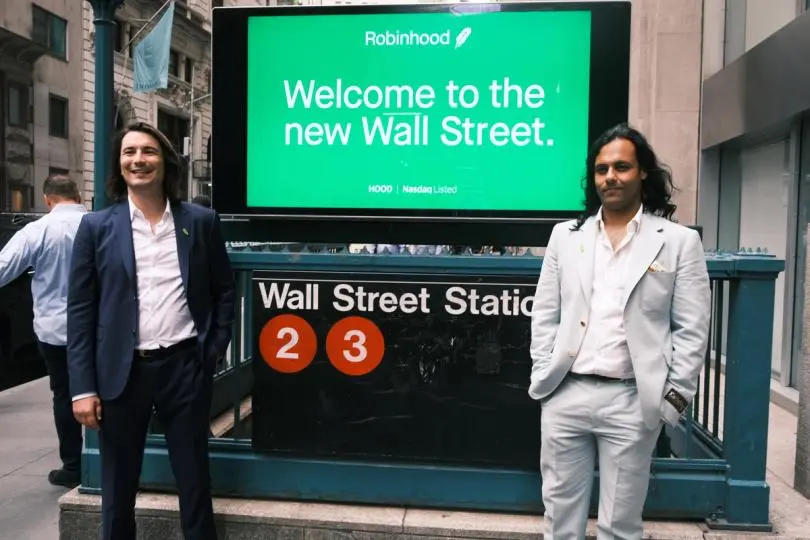
Robinhood Markets launched its own blockchain on July 1, aiming to create a regulated venue for tokenized stocks and real-world assets (RWAs). But within days, the network—dubbed Robinhood Chain—became a hotbed for memecoin trading, with $135 million in total value locked and 800,000 unique addresses joining since inception. The irony is stark: a chain built for institutional-grade tokenization is now fueled by the same speculative frenzy that defines the broader crypto meme economy.
The Promise of Tokenized Stocks
Robinhood Chain is an Ethereum layer-2 scaling solution built on the OP Stack, the same framework used by Optimism. The brokerage giant pitched it as a compliant gateway for tokenizing traditional financial assets—think Apple stock, Treasury bonds, or real estate—on a blockchain that could offer instant settlement, fractional ownership, and global liquidity. Robinhood had already dabbled in crypto trading, but the launch of its own chain represented a strategic bet that the future of finance would involve on-chain representation of real-world assets.
According to early documentation, the chain was designed to integrate seamlessly with Robinhood's existing order book and custody systems. Users would be able to deposit dollars from their brokerage accounts, mint tokenized versions of NYSE-listed equities, and trade them 24/7 without traditional market hours or settlement delays. The team even secured a limited-purpose trust charter from a U.S. state regulator to ensure compliance with securities laws. For a company that faced intense scrutiny during the GameStop meme stock saga of 2021, the blockchain move was also an attempt to demonstrate maturity and a long-term vision beyond retail hype.
The Memecoin Takeover
Reality, however, had other plans. Within a week of the chain's public launch, on-chain data from explorer tools showed that memecoins like CASHCAT, DOGEPRO, and TURBOBULL accounted for over 85% of transaction volume and more than 60% of total value locked. Stablecoins such as USDC and USDT made up another 30% of the value, used primarily as trading pairs for these speculative assets. The remaining few percent went to the very tokenized stocks Robinhood had intended to promote.
Why did memecoins flood Robinhood Chain? The answer lies in the network's low fees and rapid block times. Ethereum layer-2 networks have become the default playground for memecoin traders because they offer near-zero transaction costs compared to the main chain. Robinhood Chain charges just a fraction of a cent per transaction, making it attractive for high-frequency trading of micro-cap tokens. Moreover, the chain launched with a built-in bridge to Ethereum and a native decentralized exchange (DEX) where users could easily create liquidity pools for any token—no permission needed.
The memecoin community quickly recognized an opportunity. Projects began airdropping tokens to early users, many of whom were Robinhood's own customers. A popular memecoin called "HOODIE" saw its price surge 10,000% in its first day, drawing thousands of new users to download the chain's wallet and try their luck. Social media channels buzzed with screenshots of massive wins and losses, echoing the viral mania of the 2021 Dogecoin rally.
$12.8 Million in Tokenized Stocks vs. $135 Million in Total Value
The numbers paint a clear picture. As of July 13, Robinhood Chain reported approximately $312 million in total value locked (TVL), a figure that includes both native tokens and bridged assets. However, the tokenized real-world asset category—the supposed killer app—accounted for only $12.8 million. That's roughly 4% of the entire TVL. The rest is memecoins and stables used to trade them.
This outcome is not entirely surprising. Tokenizing stocks on a public blockchain faces significant regulatory hurdles. While Robinhood obtained a trust charter, it has not yet received a no-action letter from the SEC or CFTC for offering tokenized equities to retail investors. Many legal experts argue that such tokens would likely be classified as securities themselves, requiring registration or an exemption. As a result, the company has limited the issuance to a handful of pilot assets, such as tokenized shares of the SPDR S&P 500 ETF (SPY) and a few blue-chip stocks. These are available only to accredited investors in select jurisdictions, further restricting their reach.
Meanwhile, no such restrictions apply to memecoins. Anyone can create a token with a cat, dog, or frog theme, list it on the chain's DEX, and start trading. The lack of regulatory friction, combined with the inherent speculative appeal of memecoins, created a perfect storm that overwhelmed the chain's original purpose.
Historical Parallels and Industry Trends
Robinhood Chain is not the first blockchain to be overtaken by unintended use cases. In 2017, Ethereum was intended as a "world computer" for decentralized applications, but the ICO craze turned it into a casino for token sales. In 2020, Uniswap was designed as a decentralized exchange for any ERC-20 token, but it quickly became dominated by memecoin trading pairs. More recently, Solana's low fees attracted a wave of memecoin activity in 2023 and 2024, overshadowing its initial focus on scalable DeFi and NFT marketplaces.
The pattern repeats because economic incentives often override design intentions. Users follow liquidity and attention, not vision documents. A blockchain with low fees and a user base hungry for gains will attract speculative activity, whether or not the founders wanted it. Robinhood's chief product officer admitted in an internal memo that the team was "both surprised and humbled" by the memecoin influx, but they also noted that high transaction volumes could attract validators and increase network security—a silver lining for the chain's long-term health.
What This Means for Robinhood's Strategy
Robinhood has not given up on tokenized stocks. The company is reportedly in talks with several asset managers and tokenization platforms to bring more regulated assets onto the chain. It has also filed a patent for a system that would allow fractional ownership of equities via smart contracts, with built-in compliance checks that verify each user's accreditation status before a trade is executed.
However, the memecoin dominance poses risks. Regulators may take notice of a chain that, despite its regulated origins, is facilitating large volumes of potentially unregistered securities (memecoins themselves have been the subject of ongoing SEC debate). If the SEC decides that enough memecoins on Robinhood Chain qualify as securities, the entire network could face legal challenges.
On the positive side, the chain's rapid user adoption demonstrates that Robinhood successfully built the infrastructure for a highly active ecosystem. Many of those 800,000 addresses are likely new to blockchain technology, having entered through Robinhood's familiar brand. If the company can now guide these users toward tokenized stocks and other RWAs—perhaps by offering incentives like fee discounts or exclusive access to tokenized IPOs—the speculative period could serve as a launching pad for the intended use case.
Some analysts draw parallels to the early days of Coinbase's Base chain, which launched in 2023 and was initially dominated by memecoins before maturing into a hub for DeFi and NFT projects. Base's total value locked grew from $500 million to over $5 billion in two years, driven by a mix of speculative and serious applications. Robinhood hopes to follow a similar trajectory, albeit with a stronger focus on regulated financial products.
The Role of Stablecoins and Liquidity
Stablecoins have played a crucial supporting role in the memecoin frenzy. Circle's USDC and Tether's USDT together account for nearly $30 million in liquidity on Robinhood Chain, providing the stable base that allows traders to move in and out of volatile memes without leaving the network. Several decentralized lending protocols have also sprung up, offering yield on stablecoin deposits that is currently above 10% annualized—another draw for users seeking passive income.
The chain's native token, HOOD, has not yet launched, though rumors suggest it may be airdropped to active users in the coming months. Token-based incentives could further accelerate growth, but they also risk exacerbating the speculative culture. Robinhood has not indicated whether HOOD will have governance rights over the chain's development or whether it will simply be a rewards token for trading fees.
Conclusion
The story of Robinhood Chain is a vivid illustration of the gap between intention and adoption in blockchain technology. While the company's vision of tokenized stocks and real-world assets represents a genuine innovation, the immediate market demand was for something far simpler: the chance to get rich quick by trading the next big memecoin. Whether Robinhood can steer this energy toward its original goal will determine whether its blockchain becomes a cornerstone of mainstream finance or just another casino in the crypto wild west. The next few months will be telling, as the chain accumulates more volume and faces its first major stress tests. If the memecoin bubble bursts, the chain could lose its liquidity and user base. But if it matures, Robinhood may have accidentally built the most effective on-ramp for retail investors into tokenized assets.
Source:Coindesk News