

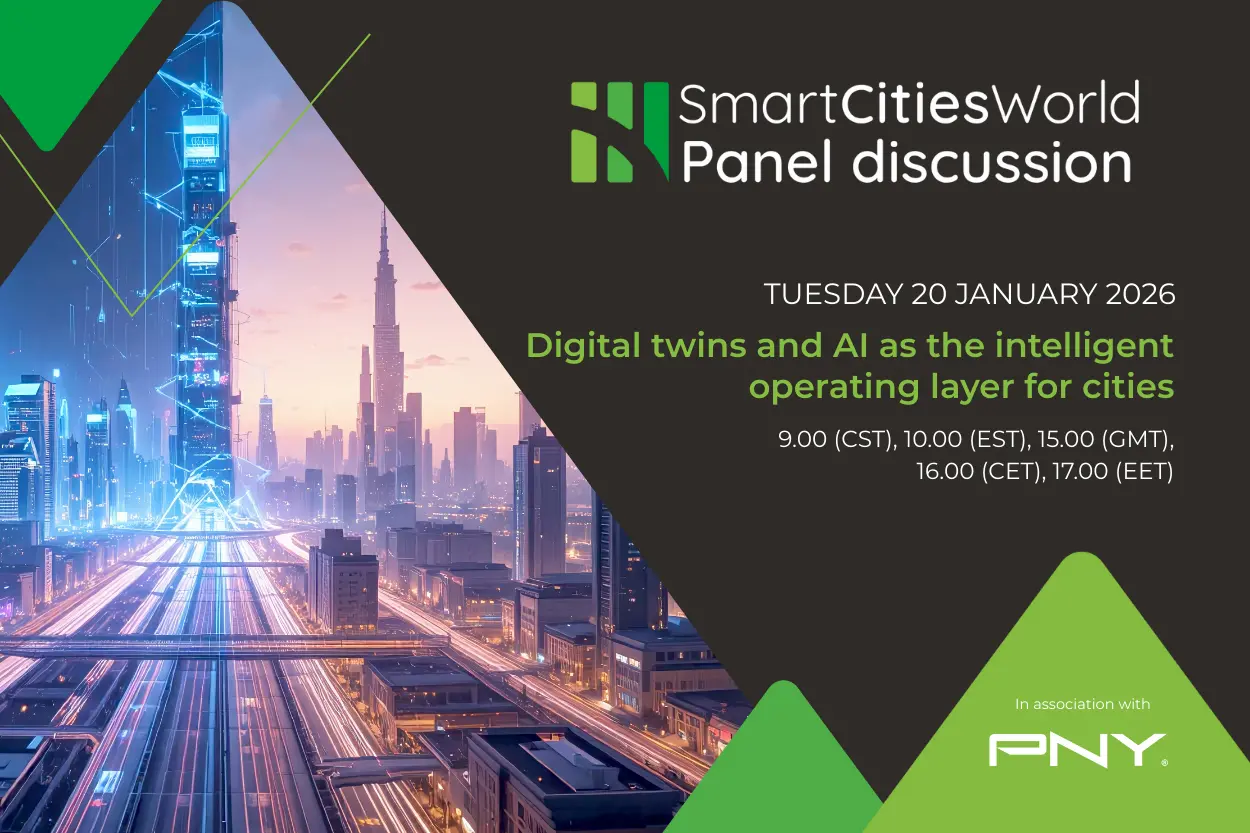
Urban centers worldwide are confronting an unprecedented convergence of challenges: climate change, aging infrastructure, population growth, and the need for digital transformation. In response, city leaders are turning to a powerful combination of technologies—digital twins and artificial intelligence (AI)—to create an intelligent operating layer that can monitor, simulate, and optimize urban systems in real time.
Digital twins are virtual replicas of physical assets, processes, or systems. When layered with AI, these models become dynamic tools that can predict outcomes, recommend actions, and automate responses. For example, a digital twin of a city's energy grid can integrate data from renewable sources, storage systems, and smart networks to balance supply and demand while reducing carbon emissions. Local authorities can use such systems to shape energy policies, incentivize flexibility, and enhance grid resilience.
During a recent global summit on urban innovation, held alongside London Climate Action Week, leaders from cities, technology providers, and academia gathered to discuss how these agendas intersect. The summit highlighted practical pathways for translating strategy into action—from deploying AI-powered building management systems to integrating Internet of Things (IoT) sensors across public infrastructure.
One noteworthy example comes from Southeast Asia, where Malaysia is positioning itself as a pioneer in AI-driven urban innovation. The country hosted its first regional smart city expo in Kuala Lumpur, showcasing projects that leverage digital twins to manage traffic, monitor air quality, and optimize waste collection. These initiatives demonstrate how national and local governments can collaborate to create scalable solutions.
In the United Kingdom, the city of Sunderland is undergoing a comprehensive repositioning as a leading smart city. By investing in digital infrastructure and low-carbon innovation, Sunderland aims to build a resilient, future-focused economy. Its approach includes a city-wide digital twin that models energy consumption, transportation flows, and building performance, enabling data-driven decisions that reduce costs and emissions.
Similarly, Dublin is leveraging digital twin projects to improve community experiences and services. The Irish capital has implemented traffic reduction measures based on simulations from its digital twin, leading to smoother commutes and lower pollution levels. Additionally, economic growth initiatives are informed by real-time data on footfall, retail activity, and public transport usage, helping city planners allocate resources effectively.
Quezon City in the Philippines offers a compelling case of resilience. Following unexpected extreme rainfall, the city deployed smart sensor networks and digital twins to enhance situational awareness. These tools enabled early detection of flood risks, improved emergency response coordination, and supported the development of long-term climate adaptation plans. The lessons from Quezon City underscore how digital twins can turn crisis into opportunity for systemic improvement.
From a technology perspective, companies like ST Engineering are advancing urban AI applications. Gareth Tang, President of Urban Solutions at ST Engineering, explains that AI is already making significant impact in areas such as predictive maintenance of public assets, intelligent traffic management, and autonomous building operations. He envisions a future where urban AI evolves to handle more complex tasks, like coordinating multi-modal transport or optimizing district energy systems in real time.
Smart sensor networks are another critical component of this intelligent operating layer. By detecting risks early—such as gas leaks, structural weaknesses, or fire hazards—these networks improve indoor safety and support healthier, more secure buildings. When integrated with a digital twin, sensor data provides a live dashboard that building managers can use to adjust ventilation, lighting, and security protocols automatically.
Preparing for AI adoption requires careful data groundwork. As highlighted in a recent webinar focused on Sunderland's journey, cities must first establish robust data governance frameworks, ensure data quality, and create interoperable platforms. Without a solid data foundation, even the most advanced AI models cannot deliver reliable insights.
A trend report panel discussion on AI for personalized government services emphasized the importance of building trust and inclusivity. Citizens are more likely to engage with AI-driven services—such as personalized permit processing or real-time alerts—if they perceive these systems as transparent, fair, and secure. Cities must therefore invest in explainable AI and inclusive design to avoid exacerbating existing inequalities.
Daily and weekly newsletters curated by industry platforms now regularly feature updates on digital twin deployments, AI use cases, and city profiles from around the world. These resources help urban practitioners stay informed about emerging best practices and learn from peers.
The path forward for cities is clear: digital twins and AI are no longer futuristic concepts but essential tools for building intelligent, responsive urban environments. By integrating data from buildings, energy grids, transport networks, and public services, cities can create a unified operating layer that adapts to changing conditions and empowers decision-makers. As technology continues to evolve, the potential for even deeper integration—such as coupling digital twins with sovereign AI systems—promises to further transform how cities function and serve their citizens.
Source:Smart Cities World News