

Pope Leo XIV Undergoes Lung Cancer Surgery
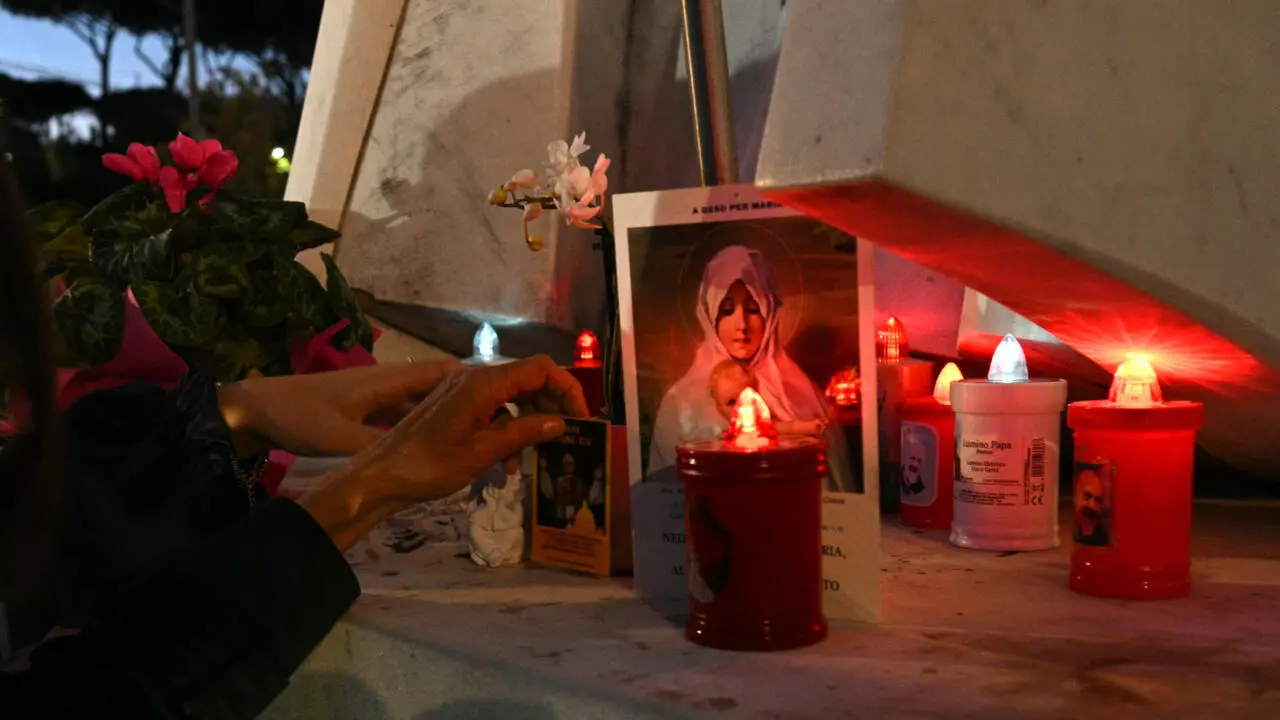
Pope Leo XIV had a cancerous tumor surgically removed from his right lung on Tuesday in a 90-minute operation that the Vatican described as successful. The procedure took place as Catholics around the world watched for updates, with candles, flowers and prayers placed at the statue of John Paul II outside Rome's Gemelli University Hospital, where the pope was admitted for the operation.
The Vatican said the lower lobe of the right lung was removed. The pope had announced the presence of a lung nodule on Sunday, saying it had been detected at a very early stage and was localized. The disclosure set off a wave of public concern and prayer, but medical specialists say the details released so far are broadly consistent with an early, treatable form of lung cancer.
Key Facts at a Glance
- Pope Leo XIV had a cancerous tumor removed from his right lung on Tuesday.
- The operation lasted 90 minutes and was described by the Vatican as successful.
- The lower lobe of the right lung was removed.
- The tumor was identified as pulmonary adenocarcinoma, the most common type of non-small cell lung cancer.
- The pope said the nodule was detected at a very early stage and was localized.
- Additional testing is underway to determine whether chemotherapy or radiation will be needed.
- Medical experts describe the surgery as a standard procedure and say the outlook can be promising when lung cancer is caught early.
What Is Pulmonary Adenocarcinoma?
Pulmonary adenocarcinoma is a form of lung cancer that begins in glandular cells in the lung. Dr. Juanita Mora, a medical spokesperson for the American Lung Association, said the tumor generally comes from a primary cancer. That means it started in the lung rather than spreading from another part of the body. She described that as a good thing because it means the disease is lung cancer rather than metastatic cancer from elsewhere.
Lung cancer is divided into two main groups: small cell and non-small cell. Small cell lung cancer is less common, accounting for roughly 10 to 15 percent of diagnoses, and tends to spread aggressively. Non-small cell lung cancer makes up the vast majority of cases. Adenocarcinoma is the most common subtype of non-small cell lung cancer.
David Spigel, a medical oncologist specializing in lung cancer research at Sarah Cannon Research Institute in Nashville, said adenocarcinoma is the most common kind of non-small cell lung cancer. The distinction matters because treatment options and prognosis differ depending on the type of cancer and how far it has advanced.
David Carbone, director of the Oncology Center at Ohio State University, noted that smoking is the most well-known risk factor for lung cancer. But he added that most lung cancers diagnosed today are in people who have not smoked or who stopped many years ago. That reality has helped reshape public understanding of the disease. Lung cancer can affect people with no history of smoking, and researchers continue to study genetic mutations, environmental exposures such as radon, asbestos and air pollution, and family history as additional risk factors.
Promising Outlook When Found Early
Lung cancer is the leading cause of cancer death worldwide, according to the World Health Organization. The prognosis can vary significantly depending on the type of lung cancer and how advanced it is when first detected. That is why the pope's statement that the nodule was found at a very early stage has been cautiously encouraging to oncologists.
Mora said that when the five-year survival rate for lung adenocarcinoma is measured for cases that are nicely localized, the rate is approximately 63 to 67 percent. But if the cancer is caught early, the rate becomes 80 to 98 percent, especially after surgical removal. Spigel added that in such a case, the patient will achieve a cure and never have their life threatened by cancer. Those figures reflect general patterns, not an individual guarantee, but they explain why early detection is so important.
The pope's case appears to fit the profile of a localized tumor that was removed before it had a chance to spread. The Vatican has not released detailed pathology results, and additional testing is still underway. Those tests are expected to shed light on the size of the tumor, its genetic characteristics, how aggressive it was, and whether any cancer cells were found beyond the removed lobe.
A Standard Procedure With Significant Lung Reserve
The Vatican said the lower lobe of the right lung was removed during Tuesday's operation. Carbone said that having part of the right lung taken out is the standard procedure for this kind of early-stage tumor. He noted that the lungs have a lot of reserve, and people can have an entire lung removed and still live a normal life. He said he would expect the pope to return to a completely full level of activity very soon.
That assessment aligns with the broader experience of thoracic surgery. The lungs are paired organs, and when one section is removed, the remaining lung tissue can often expand and take over much of the lost function. Recovery typically involves a hospital stay, pain management, breathing exercises and a gradual return to normal activity. For older patients, doctors carefully monitor heart and lung function, but a minimally invasive approach or a standard lobectomy can be well tolerated when the patient is otherwise healthy.
The location of the tumor in the lower lobe of the right lung may also be favorable. Surgeons can remove a lobe, a segment or a smaller wedge of lung tissue depending on the size and position of the cancer. The Vatican's statement that the lower lobe was removed suggests a lobectomy, which is a common and well-established operation for early-stage lung cancer.
What Comes Next: Testing and Possible Additional Treatment
The central question now is whether Pope Leo XIV will need additional treatment such as chemotherapy or radiation. According to medical experts, the answer will depend on several factors. These include the size of the cancerous mass that was removed, how aggressive it was, its genetic characteristics, and whether it has spread to lymph nodes or other parts of the body.
A Vatican source indicated that additional testing is underway. That testing is likely to include pathology review of the removed tissue and possibly genomic analysis to look for mutations that could guide treatment decisions. In some cases, doctors may recommend observation alone after surgery if the tumor is small, fully removed and confined to the lung. In other cases, they may recommend chemotherapy, targeted therapy, immunotherapy or radiation to reduce the risk of recurrence.
For Carbone, the fact that the pope already underwent surgery is encouraging. He explained that if the cancer had spread to, for example, the lymph nodes in the center of the chest, the pope would have had some treatment before surgery, which he did not have. He said surgeons really go straight to surgery only for the earliest stage tumors, which makes him think this was a very early stage tumor with a quite good prognosis.
Carbone stressed that treatment for lung cancer has improved considerably over the past few decades. He said the prognosis is better than ever and that he would be hopeful for a full recovery. Those advances include better imaging that can detect smaller nodules, more precise surgical techniques, and a growing array of drugs that target specific genetic mutations or help the immune system fight cancer.
Why Early Detection Matters
The pope's case has drawn attention to the importance of early detection for lung cancer. Many lung cancers are discovered at later stages because symptoms such as persistent cough, chest pain, shortness of breath or coughing up blood often appear only after the disease has advanced. Screening programs for high-risk patients use low-dose CT scans to find nodules before they cause symptoms.
For patients with a localized adenocarcinoma, surgery can offer the best chance of a cure. When the tumor is removed completely and has not spread, long-term survival rates are much higher than for cancers discovered after they have traveled to distant organs. The pope's doctors have not released the stage of his cancer, but the sequence of events suggests the nodule was found before it caused major problems.
The public response outside Gemelli University Hospital reflected the emotional weight of a papal illness. Candles, flowers and prayers were left at the statue of John Paul II, a reminder of the hospital's long association with papal medical care. For many Catholics, the pope's health is not only a medical story but also a spiritual one.
The next updates are expected to focus on pathology results and whether any further treatment is recommended. Those details will determine the road ahead, including whether the pope resumes a full schedule or needs a period of additional treatment.
Source:RFI News