

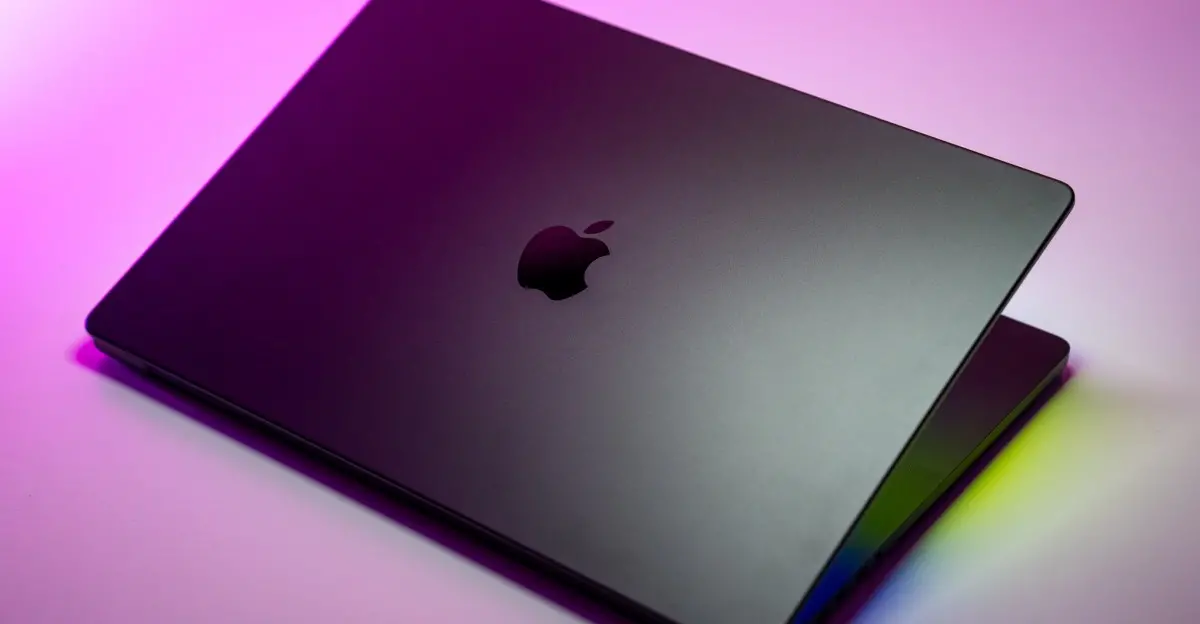
Apple is expected to unveil a redesigned MacBook Pro with a touchscreen display at an in-person event in Los Angeles, a launch that would put direct touch input on a Mac for the first time and mark a sharp turn from the company’s long-held position that laptops are not the right place for touch.
The event caps a busy week of hardware news. Earlier in the week, Apple introduced a new iPad Mini with an OLED display and refreshed the MacBook Pro and iMac with M6 chips. Those updates were familiar, iterative refreshes. The Los Angeles gathering is expected to be different: it is positioned around a more visible change to the MacBook Pro, one that could alter how people use macOS and how Apple markets its professional laptops.
Apple has not publicly confirmed every detail of the new machine, but the event itself offers clues. It is being held in Los Angeles rather than at the company’s Cupertino headquarters. There is no public livestream, and the audience is expected to be small. The format is likely to resemble an earlier New York City launch for the MacBook Neo, which featured a short keynote presentation followed by a hands-on area. That suggests a focused product reveal rather than a broad developer conference or a large iPhone-style spectacle.
Key Facts at a Glance
- Apple is expected to reveal a redesigned MacBook Pro with a touchscreen display at an in-person event in Los Angeles.
- The launch would mark the first proper touchscreen on a Mac, excluding the discontinued Touch Bar.
- The event follows a new OLED iPad Mini and M6 chip updates for the MacBook Pro and iMac.
- There is no public livestream, and the presentation is expected to be short, followed by hands-on time.
- The touchscreen Mac is expected to raise questions about macOS interface changes, pricing and the Mac's relationship with the iPad.
What Apple Is Expected to Announce
The centerpiece is expected to be a revamped MacBook Pro with a touchscreen display. The change would be the first proper touchscreen on a Mac, not counting the Touch Bar, the strip of adaptive controls that appeared on some MacBook Pro models and was later discontinued. A touchscreen MacBook Pro would let users tap buttons, scroll with a finger, swipe through pages and interact with apps directly on the display. It would also raise immediate questions about how macOS is adapted for touch, whether Apple will redesign parts of the interface, and how the company will avoid the awkward compromises that have affected some touchscreen laptops.
The launch is also expected to sit at the top of Apple’s Mac lineup. The MacBook Pro has long been the company’s flagship laptop for creative professionals, developers and other demanding users. A touchscreen would make the most sense on a premium model first, where Apple can justify new display technology and where buyers are more likely to pay for advanced features. That does not mean every Mac will get touch immediately. Apple has typically introduced major changes gradually, and a single high-end model would give the company room to test how customers respond.
A Reversal Years in the Making
For more than a decade, Apple executives argued that touch on a vertical laptop screen was not ideal. The company’s best-known critique came from Steve Jobs, who described touchscreen laptops as ergonomically difficult because people do not want to reach out and touch a vertical display for long periods. Apple instead promoted the iPad as its touch-first computing device and kept the Mac focused on a keyboard, trackpad and indirect input.
That position shaped the Mac for years. Apple added the Touch Bar to the MacBook Pro in 2016, but it was a narrow strip above the keyboard rather than a full touchscreen. The Touch Bar was meant to offer context-sensitive controls, yet it never won over most professional users. Apple eventually removed it from later MacBook Pro models and returned to physical function keys, a decision that underlined how difficult it is to change familiar laptop input without creating friction.
The market has also changed. Touchscreen laptops are now common across Windows devices, and many buyers expect a touch option even if they mostly use a keyboard and mouse. Tablet apps have trained people to tap and swipe. Mobile workflows have made direct manipulation feel natural. Apple’s own iPad Pro has become a powerful device with a keyboard and trackpad, blurring the line between tablet and laptop. A touchscreen MacBook Pro would acknowledge that the boundary between touch and traditional computing has become less rigid.
Why Touch on a Mac Is Complicated
Adding a touchscreen to a MacBook is not simply a matter of putting a touch layer on an existing display. The hardware must be thin, bright, color-accurate and durable, and the hinge must support a screen that people will press. The software must also handle touch without undermining the precision of a trackpad and keyboard. macOS was built around a pointer, menus and small controls. Some interface elements may need larger hit targets or new gestures, while professional apps may need to decide how much of their interface should respond to fingers.
Apple has an advantage in controlling both the hardware and the software. The company designs its own chips, displays and operating systems, which lets it tune performance and power use closely. That integration has helped Apple Silicon Macs deliver strong battery life and responsive performance. A touchscreen would add another layer of complexity, but it could also be implemented more coherently than on devices where hardware and software come from different companies.
The iPad remains the obvious comparison. Apple has spent years building touch gestures into iPadOS while keeping macOS oriented toward indirect input. A touchscreen Mac would need to borrow some of those ideas without turning the Mac into an iPad. The company will have to show that touch is an additional option, not a replacement for the keyboard and trackpad. That balance will be central to whether the product feels like a natural extension of the Mac or like a feature added to satisfy a checklist.
A Smaller, More Intimate Event
The Los Angeles event is expected to be much smaller than Apple’s major product launches. There is no public livestream, which means most people will learn about the news through press coverage and hands-on impressions rather than a polished global broadcast. The guest list is expected to be limited, with a handful of reporters and video crews on site. The setting suggests Apple wants to keep attention on the product experience and give invited guests time with the hardware.
The short keynote format would also fit a single-product story. At a typical iPhone launch, Apple has to cover multiple models, new chips, camera systems, software features and accessories. A focused MacBook Pro event can move more quickly. If the presentation lasts less than ten minutes, as an earlier MacBook Neo launch did, the hands-on session will carry much of the story. Reporters will want to test the touch response, the display quality, the hinge stiffness, the keyboard, the trackpad and the overall weight and thickness of the machine.
The Week in Apple Hardware
The touchscreen MacBook Pro launch comes after several other Apple updates. On Monday, the company announced a new iPad Mini with an upgraded OLED display, a change that should improve contrast and color on its smallest tablet. On Tuesday, Apple introduced M6 chip upgrades for the MacBook Pro and iMac. Those releases were quiet refreshes, the kind of updates that improve performance without changing the outside of the product.
That pattern makes the touchscreen MacBook Pro more significant. The earlier updates show Apple continuing its regular cadence of chip and display improvements. The Los Angeles event is expected to break that pattern with a change users can see and feel immediately. A touchscreen is a visible signal that the Mac is evolving, even if the underlying software transition takes longer.
What the Hands-On Will Reveal
The first hands-on impressions will matter because touchscreen laptops often succeed or fail on details. A display that wobbles when tapped feels cheap. A screen that attracts fingerprints can look messy. A touch interface that requires users to lift their hands from the keyboard may slow them down. Apple will need to show that touch on the MacBook Pro is comfortable, precise and useful in real workflows, not just a demo feature.
Battery life will be another important question. Touch layers and brighter displays can draw more power, and Apple has built its Mac reputation partly on long battery life. The company will also need to explain how touch interacts with creative apps, browsers, document editing, video calls and multitasking. The most convincing use cases may be simple: tapping a timeline, scrubbing a video, signing a document, selecting a photo or swiping through a presentation. If those interactions feel natural, the feature could become part of everyday use rather than an occasional novelty.
Pricing and configuration will shape the launch as well. A touchscreen MacBook Pro is likely to be positioned as a premium product, and Apple has a history of charging more for new display technology. Buyers will want to know whether touch is standard on the redesigned model or limited to higher-end configurations. They will also look at storage, memory, ports and display sizes. A fully specced professional laptop can reach very high prices, and a touchscreen could push the top end even further.
For developers and accessory makers, the change could create new opportunities. Apps could add touch-friendly controls, and peripherals such as stands or styluses might become more relevant. Apple has already built a large stylus ecosystem around the iPad, but a MacBook touchscreen would raise questions about whether Apple Pencil support is included or whether the company will keep those products separate. Those decisions would affect how people use the device and how Apple differentiates it from the iPad.
The event will also be watched for signals about the Mac’s direction. Apple has spent years arguing that the iPad and Mac serve different purposes. A touchscreen MacBook Pro does not erase that distinction, but it does show that the company is willing to borrow ideas across its product lines. The result could be a more flexible Mac, a more clearly defined iPad, or a more complicated lineup. The hands-on session should provide the first real evidence of which outcome Apple has chosen.
Source:The Verge News